




How to Choose Quality CBD Live Resin Sugar Pure Gold
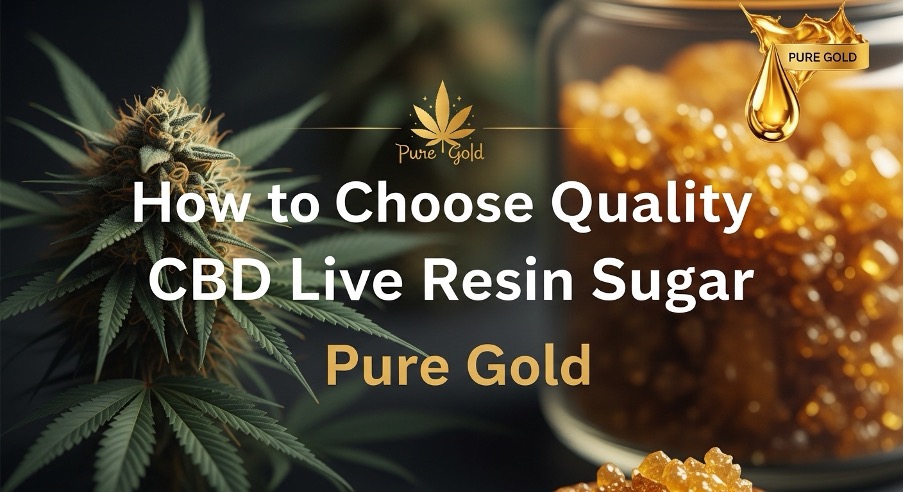
CBD concentrates have evolved significantly, and live resin sugar represents one of the most flavorful and potent options available today. If you're considering this crystalline concentrate, understanding quality markers helps ensure you get a product worth your investment. This guide breaks down everything you need to know about selecting premium CBD live resin sugar.
Understanding Live Resin Sugar Basics
Live resin differs from standard CBD extracts in one critical way: timing. Producers flash-freeze freshly harvested hemp plants immediately after cutting, preserving delicate terpenes and cannabinoids that typically degrade during traditional drying and curing processes. This preservation method creates concentrates with richer flavors and more complex aromatic profiles.
The "sugar" designation describes the texture and appearance. Quality live resin sugar has a grainy, crystalline consistency that resembles wet sand or coarse sugar. These crystals form when THCA or CBDA separate from the terpene-rich extract during the purging process. The result combines potent cannabinoids with flavorful terpenes in a user-friendly consistency.
Pure gold refers to the color and purity level. Premium live resin sugar displays light golden or amber hues, indicating minimal plant lipids and fats remain after extraction. Darker colors sometimes suggest lower-quality starting material or less refined extraction techniques.
Evaluating Extraction Methods
The extraction process dramatically impacts final product quality. CO2 extraction and hydrocarbon methods dominate the concentrate market, each offering distinct advantages. CO2 extraction uses pressurized carbon dioxide to pull cannabinoids and terpenes from plant matter, creating clean concentrates without residual solvents.
Hydrocarbon extraction using butane or propane often produces more flavorful results because these solvents better preserve delicate terpenes. However, this method requires skilled technicians and proper equipment to ensure no harmful residuals remain in the finished product.
Quality producers invest in closed-loop extraction systems that recycle solvents and minimize environmental impact. They also perform multiple purging cycles to eliminate any trace solvents. Ask about extraction methods when researching products, and prioritize companies transparent about their processes.
Reading Lab Reports Correctly
Third-party laboratory testing separates reputable concentrates from questionable ones. Comprehensive lab reports reveal cannabinoid percentages, terpene profiles, and potential contaminants. Every quality CBD live resin sugar should include an easily accessible certificate of analysis.
Check cannabinoid content first. CBD percentages in live resin sugar typically range from 60% to 90%, depending on the extraction efficiency and starting material quality. The report should also confirm THC levels remain below 0.3% to comply with federal hemp regulations.
Terpene profiles provide insight into flavor and potential effects. Common terpenes in hemp concentrates include myrcene, limonene, pinene, and caryophyllene. Higher terpene percentages generally indicate better preservation during extraction and more robust flavors.
Contaminant testing matters equally. Lab reports should confirm the absence of pesticides, heavy metals, residual solvents, and microbial contamination. Products failing any safety tests pose unnecessary risks and suggest poor production standards.
Assessing Visual Quality Indicators
Appearance tells you plenty about concentrate quality before you even open the container. Premium live resin sugar displays consistent coloring throughout, typically ranging from light gold to rich amber. Avoid products with dark brown or black spots, which may indicate oxidation or contamination.
Crystal formation should appear uniform. Well-made live resin sugar features defined crystalline structures mixed with terpene sauce. Extremely dry, powdery textures suggest over-purging that stripped away beneficial terpenes. Conversely, overly wet or soupy consistency might indicate incomplete purging.
Clarity matters in the terpene-rich portions. The liquid surrounding the crystals should appear translucent rather than cloudy. Cloudiness sometimes points to residual plant fats or improper winterization during processing.
Understanding Terpene Preservation
Terpenes define the live resin experience, delivering distinctive flavors and aromas absent in many other concentrates. Quality products smell pungent and complex immediately upon opening. The aroma should match the strain profile, whether fruity, earthy, piney, or floral.
Fresh live resin sugar releases noticeable fragrance without needing to bring your nose directly to the container. If you detect chemical smells, something went wrong during extraction or purging. Quality concentrates never smell like butane, alcohol, or other solvents.
Terpene degradation happens over time, especially with improper storage. Purchase from retailers who store concentrates in cool, dark conditions. Products likefrom established companies typically maintain better quality control throughout the supply chain.
Proper Storage and Handling
Even premium live resin sugar degrades without proper care. Store your concentrate in an airtight container away from light, heat, and moisture. Silicone containers work well for short-term storage, while glass jars offer better long-term protection.
Temperature control extends shelf life significantly. Keep concentrates in cool environments, ideally between 60-70°F. Some enthusiasts refrigerate their live resin sugar, though this requires letting it reach room temperature before use to prevent condensation.
Handle concentrates with clean dabbing tools to avoid contamination. Introducing moisture, dirt, or other substances compromises quality and potentially creates health hazards. Many users keep dedicated tools specifically for their concentrates.
Pricing and Value Considerations
Premium CBD live resin sugar costs more than standard distillates or isolates, reflecting the specialized extraction process and superior terpene preservation. Expect to pay between $30-$60 per gram depending on brand reputation, cannabinoid potency, and terpene content.
Suspiciously cheap concentrates often indicate corners cut somewhere in production. These might include lower-quality starting material, inadequate testing, or improper extraction techniques. Conversely, inflated prices don't automatically guarantee superior products.
Research company reputations before purchasing. Established brands with consistent positive reviews typically deliver reliable quality. New companies can offer excellent products too, but verify their testing practices and extraction methods first.
Making Your Selection
Choosing quality CBD live resin sugar requires evaluating multiple factors together rather than focusing on any single characteristic. Start with companies demonstrating transparency through detailed lab reports and clear extraction information. Products likehttps://www.primaryjane.com/product/cbd-live-resin-sugar-pure-gold/ from reputable sources typically meet these standards.
Verify the concentrate displays proper color, consistency, and aroma. Trust your senses alongside laboratory data. Finally, consider your budget while remembering that quality concentrates justify their premium pricing through superior experiences and safety profiles.
Taking time to understand quality markers protects your investment and ensures satisfying results. As you gain experience with different products, you'll develop preferences for specific terpene profiles and textures. This knowledge helps you consistently select concentrates that match your expectations and deliver the experiences you're seeking.
Disclaimer: The copy and image are supplied to Weed World by a paid 3rd party with the assurance that there are no copyright issues.






Please complete your information below to login.
Sign In
Create New Account