



Why Mushroom Chocolate Bars Are Trending in 2026
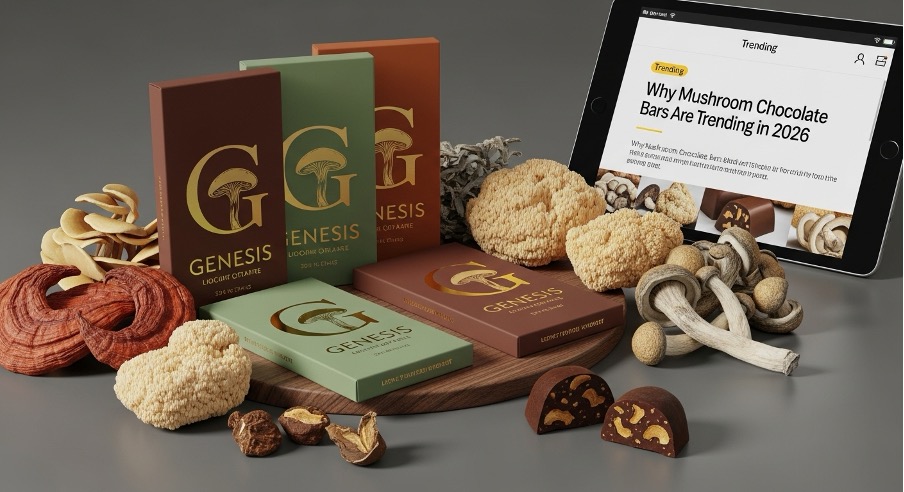
But what's driving this mushroom chocolate phenomenon? Understanding why these products have captured such widespread attention reveals insights into evolving wellness trends, changing consumer preferences, and the intersection of traditional wisdom with modern convenience.
The Functional Mushroom Movement
To understand mushroom chocolate bars, you first need to understand the broader functional mushroom trend that's been building momentum for years.
What Are Functional Mushrooms?
Functional mushrooms—also called medicinal or adaptogenic mushrooms—are varieties valued for potential wellness properties beyond basic nutrition. Unlike culinary mushrooms you might add to pasta, functional mushrooms have been used in traditional medicine systems for centuries.
Common functional mushrooms include:
Lion's Mane: Known for potential cognitive support
Reishi: Often called the "mushroom of immortality" in traditional practices
Cordyceps: Associated with energy and vitality
Chaga: Rich in antioxidants
Turkey Tail: Recognized for potential immune support
These mushrooms contain compounds like beta-glucans, polysaccharides, and triterpenes that wellness enthusiasts seek for various reasons.
From Ancient Practice to Modern Wellness
Functional mushrooms have roots in Traditional Chinese Medicine and other ancient healing systems spanning thousands of years. What's changed recently is accessibility and format innovation.
Previously, consuming functional mushrooms meant brewing bitter teas, taking capsules, or adding powders to smoothies. While effective, these methods didn't appeal to everyone due to taste, convenience, or preference issues.
Why Chocolate Is the Perfect Vehicle
Combining functional mushrooms with chocolate isn't random—it's strategic and addresses several consumer desires simultaneously.
Masking Earthy Flavors
Functional mushrooms have distinct, often earthy or bitter flavors that many people find challenging. High-quality chocolate effectively masks these tastes while adding its own appealing flavor profile.
Rich cocoa naturally complements mushroom undertones, creating pleasant taste experiences that don't require acquired palates or holding your nose while consuming.
Ritual and Enjoyment
Taking supplements can feel clinical and routine. Eating chocolate feels indulgent and enjoyable—it's something people actually look forward to rather than another chore on their wellness checklist.
This psychological shift from "taking medicine" to "enjoying a treat" increases consistency. People are more likely to maintain habits they genuinely enjoy.
Dosing Convenience
Chocolate bars allow precise, consistent dosing through measured squares or pieces. Each serving contains predetermined amounts of mushroom extracts, removing guesswork from consumption.
This standardization helps users track intake reliably and adjust according to their preferences and responses.
Portability and Shelf Stability
Unlike mushroom teas requiring preparation or powders needing mixing, chocolate bars are grab-and-go convenient. They're shelf-stable, travel-friendly, and require no equipment or preparation.
Toss a bar in your bag, keep one in your desk drawer, or pack it for trips—chocolate's natural stability makes functional mushrooms accessible anywhere.
Consumer Trends Driving Adoption
Several converging trends explain why mushroom chocolate bars specifically resonate with 2026 consumers.
Wellness Without Compromise
Modern wellness consumers want products supporting their health goals without sacrificing enjoyment or convenience. They're willing to invest in premium products that deliver both functional benefits and pleasurable experiences.
Mushroom chocolate bars epitomize this "wellness without compromise" philosophy—you don't have to choose between something good for you and something that tastes good.
Natural and Plant-Based Focus
Growing interest in plant-based, naturally-derived wellness solutions positions functional mushrooms perfectly. These are whole-food ingredients with traditional use histories, not synthetic compounds created in laboratories.
Consumers increasingly skeptical of pharmaceutical approaches appreciate mushrooms as nature-based alternatives aligning with holistic wellness philosophies.
Functional Food Innovation
The broader functional food movement—where everyday foods provide benefits beyond basic nutrition—continues expanding. From probiotic yogurts to collagen-infused coffee, consumers expect their food to work harder.
Mushroom chocolate bars fit seamlessly into this expectation that snacks and treats can simultaneously support wellness goals.
Mental Wellness Priority
Mental health, cognitive function, and stress management have become wellness priorities, particularly post-pandemic. Lion's mane mushrooms, specifically, have gained attention for potential cognitive support properties.
Products addressing mental wellness naturally attract consumers seeking alternatives to traditional approaches or complementary strategies supporting brain health.
Quality and Formulation Improvements
The mushroom chocolate bars trending in 2026 aren't first-generation products—they represent years of formulation refinement and quality improvements.
Extract Potency and Standardization
Early mushroom products often contained whole mushroom powder with variable active compound concentrations. Modern bars typically use concentrated extracts standardized for specific beneficial compounds.
This standardization ensures consistent experiences and allows manufacturers to include meaningful amounts of functional ingredients without overwhelming chocolate with mushroom powder.
Chocolate Quality Evolution
Initial mushroom chocolates sometimes sacrificed chocolate quality for mushroom content. Current trending products recognize that if chocolate tastes poor, consumers won't maintain consistent use regardless of mushroom benefits.
Premium cocoa, thoughtful sweetener choices, and attention to texture create chocolate that stands on its own merits while delivering functional mushroom content.
Comprehensive Mushroom Blends
Rather than single-mushroom formulations, many popular bars now feature multiple functional mushrooms working synergistically. These comprehensive blends allow consumers to access various traditional benefits in one convenient product.
Combining complementary mushrooms creates more versatile products appealing to broader wellness goals rather than single, narrow applications.
Accessibility and Market Expansion
Mushroom chocolate bars have moved from niche wellness spaces into mainstream accessibility.
Retail Availability
What once required specialty store visits or online ordering now appears in conventional grocery stores, pharmacies, and general retailers. This expanded distribution normalizes mushroom chocolates and introduces them to consumers who might never have sought functional mushrooms otherwise.
Seeing products on regular store shelves signals legitimacy and safety to mainstream consumers hesitant about wellness trends that seem too alternative or fringe.
Price Point Options
Market maturation has created products across various price points. While premium artisan bars exist, more affordable options make mushroom chocolate accessible to budget-conscious consumers.
This pricing diversity allows entry points for curious newcomers alongside premium choices for dedicated wellness enthusiasts.
Educational Marketing
Companies have improved at explaining functional mushrooms without overwhelming consumers with scientific jargon or making inappropriate health claims. Clear, accessible education helps demystify mushrooms and builds confidence in trying these products.
Better information addresses common questions about what functional mushrooms are, how they differ from psychedelic varieties, and what realistic expectations should be.
The Role of Social Media and Influencers
Digital culture has significantly amplified mushroom chocolate bar visibility and desirability.
Visual Appeal
Chocolate is inherently photogenic. Mushroom chocolate bars often feature attractive packaging and artful chocolate squares that photograph well for social media.
This visual appeal drives organic sharing as consumers post their purchases, creating authentic marketing that resonates more than traditional advertising.
Wellness Influencer Endorsements
Health and wellness influencers across platforms have embraced functional mushrooms, sharing personal experiences and introducing followers to various products. These trusted voices introduce mushroom chocolates to audiences who value their recommendations.
Influencer content normalizes mushroom chocolate consumption and positions it as part of aspirational wellness lifestyles.
Community Building
Online communities focused on natural wellness, biohacking, and holistic health actively discuss and recommend mushroom products. These conversations create social proof and peer validation encouraging others to explore mushroom chocolates.
Community recommendations carry weight that paid advertising cannot replicate, driving adoption through authentic enthusiasm rather than marketing messages.
Addressing Common Concerns and Misconceptions
Part of mushroom chocolate bars' successful rise involves addressing understandable consumer questions and concerns.
Psychedelic vs. Functional Mushrooms
Perhaps the most important clarification: functional mushroom chocolate bars contain non-psychedelic mushroom varieties with no intoxicating compounds. They're completely legal and won't produce altered states of consciousness.
This distinction is crucial for consumers unfamiliar with mushroom diversity who might conflate all mushroom products with psychedelic psilocybin mushrooms.
Safety and Side Effects
Functional mushrooms have extensive traditional use histories and generally excellent safety profiles when consumed in reasonable amounts. Most people tolerate them well without adverse effects.
As with any supplement, individual responses vary, and those with mushroom allergies, specific health conditions, or taking certain medications should consult healthcare providers before trying new products.
Realistic Expectations
Responsible mushroom chocolate companies avoid promising miraculous results. Functional mushrooms support wellness as part of comprehensive healthy lifestyles—they're not magic bullets solving all health challenges.
Setting realistic expectations helps consumers appreciate subtle benefits rather than feeling disappointed by unrealistic claims.
Product Innovations and Varieties
The mushroom chocolate category continues evolving with creative innovations keeping the trend fresh and engaging.
Flavor Variations
Beyond traditional dark chocolate, manufacturers now offer milk chocolate, white chocolate, and flavored varieties incorporating ingredients like mint, orange, or sea salt. These options appeal to diverse taste preferences.
Targeted Formulations
Some products focus on specific wellness goals through mushroom selection and complementary ingredients:
Morning energy blends with cordyceps and coffee
Evening relaxation formulas with reishi and calming botanicals
Focus and clarity combinations emphasizing lion's mane
Immune support versions featuring turkey tail and chaga
Dietary Accommodations
Vegan, sugar-free, keto-friendly, and allergen-conscious formulations expand accessibility to consumers with various dietary requirements or preferences.
Quality Considerations When Choosing Products
As mushroom chocolate bars proliferate, quality varies significantly across brands. Knowing what distinguishes superior products helps consumers make informed choices.
Third-Party Testing
Reputable manufacturers provide third-party lab testing confirming mushroom content, verifying absence of contaminants, and ensuring product safety. Accessible test results demonstrate transparency and quality commitment.
Extract Quality and Sourcing
Premium products specify mushroom sourcing (organic, domestically grown, or wild-harvested) and extraction methods. Dual-extraction processes capturing both water-soluble and alcohol-soluble compounds offer comprehensive benefits.
Chocolate Ingredient Quality
Beyond mushrooms, examine chocolate ingredients. Fair-trade cocoa, natural sweeteners, and minimal additives indicate quality-focused formulation rather than cheap manufacturing cutting corners.
Clear Labeling
Quality products clearly label mushroom types, amounts per serving, and full ingredient lists. Vague labeling or proprietary blends hiding specific quantities suggest less transparent operations.
When exploring options, established products likeRize Mushroom Chocolates from reputable wellness retailers typically demonstrate the quality standards, testing transparency, and formulation thoughtfulness that characterize trustworthy mushroom chocolate options.
Consumption Tips for Beginners
If you're new to mushroom chocolate bars, these practical tips help ensure positive initial experiences.
Start Gradually
Begin with recommended serving sizes rather than consuming entire bars immediately. This allows you to gauge personal responses and preferences.
Consistent Timing
Many functional mushroom enthusiasts report benefits from consistent daily consumption rather than sporadic use. Establish routines incorporating mushroom chocolate at regular times.
Pairing with Healthy Habits
Mushroom chocolates work best supporting comprehensive wellness approaches including adequate sleep, balanced nutrition, regular movement, and stress management practices.
Storage Considerations
Store mushroom chocolate bars in cool, dry places away from direct sunlight. While stable, chocolate can melt or bloom if improperly stored, affecting texture and appearance.
The Future of Mushroom Chocolates
Looking ahead, the mushroom chocolate category shows no signs of slowing as it continues maturing and innovating.
Research and Validation
Ongoing scientific research into functional mushroom benefits will likely strengthen consumer confidence and understanding, potentially expanding applications and formulations.
Regulatory Clarity
As the category grows, clearer regulatory frameworks may emerge providing additional consumer protections and quality standards across the industry.
Continued Innovation
Expect ongoing innovation in formulations, flavors, formats, and applications as companies compete to capture and maintain consumer attention in this expanding category.
Integration into Wellness Routines
Mushroom chocolates may become as commonplace as daily vitamins or protein bars—normalized wellness products integrated seamlessly into health-conscious consumers' routines.
Why the Trend Resonates
Mushroom chocolate bars succeed because they address multiple consumer desires simultaneously: convenient wellness support, enjoyable consumption experiences, natural ingredients, and accessible entry into functional mushroom benefits.
For those exploring the category, quality products like Rize Mushroom Chocolates represent the formulation quality, ingredient transparency, and thoughtful production that define the trend's best examples.
Understanding the Movement
The mushroom chocolate bar trend reflects broader shifts in how consumers approach wellness—seeking natural solutions, prioritizing enjoyment alongside health, and embracing traditional ingredients through modern formats. This convergence of ancient wisdom and contemporary innovation explains why these products resonate so strongly in 2026.
By combining functional mushrooms' traditional benefits with chocolate's universal appeal, these bars have transformed mushroom supplementation from niche wellness practice into accessible, enjoyable routine for growing numbers of health-conscious consumers seeking natural ways to support their wellbeing.
Disclaimer: The copy and image are supplied to Weed World by a paid 3rd party with the assurance that there are no copyright issues.





Please complete your information below to login.
Sign In
Create New Account